


- عربي
-
- share
-
subscribe to our mailing listBy subscribing to our mailing list you will be kept in the know of all our projects, activities and resourcesThank you for subscribing to our mailing list.
Rebuilding Trust Before Rebuilding Homes in Lebanon
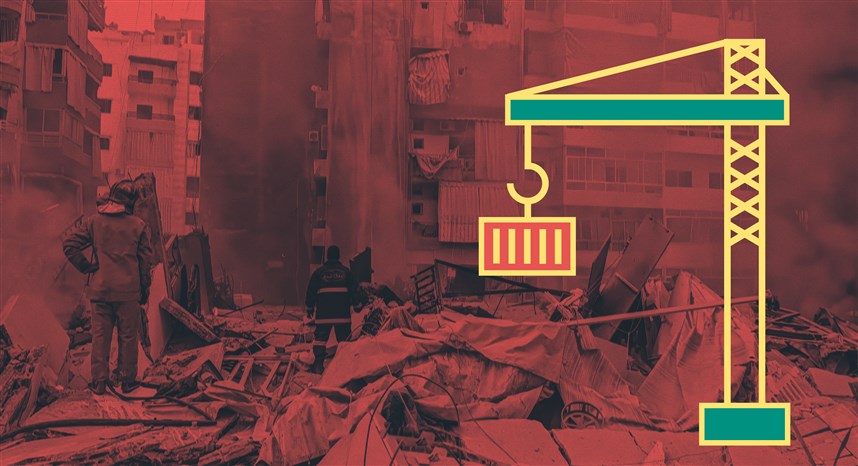
The success of reconstruction will not be measured solely by how many temporary homes are erected, but by whether every public pound can be traced, every contract can be scrutinized, and every affected family can see that need - not influence - determined who received assistance.
Lebanon’s Council of Ministers has approved a resolution allowing the Higher Relief Commission and the Council for the South to purchase prefabricated housing units through direct contracting under Article 46 of the Public Procurement Law, following a market price survey, in order to shelter families whose homes were destroyed during the recent Israeli attacks. The humanitarian rationale is compelling. Families who have lost their homes cannot wait through lengthy procurement procedures while remaining displaced. Emergencies demand speed. Yet Lebanon’s experience demonstrates that emergencies also expose public institutions to heightened risks of corruption, waste, clientelism, and public distrust. The challenge, therefore, is not to choose between rapid relief and sound governance, but to ensure that emergency procurement remains transparent, competitive, economically responsible, and accountable from the first contract to the final delivery.
Lebanon has repeatedly confronted this dilemma. Following the 2006 war, billions of dollars flowed into reconstruction through public agencies, municipalities, political organizations, charities, international donors, and private initiatives. While thousands of families benefited from rapid assistance, subsequent reports by oversight bodies, parliamentary committees, investigative journalists, and civil society organizations documented concerns about overlapping compensation, inconsistent beneficiary selection, weak documentation, fragmented coordination among institutions, and limited transparency regarding procurement and public spending. Similar governance concerns emerged after the Beirut Port explosion, where confusion over beneficiary identification, duplication of aid, and fragmented reconstruction efforts weakened public confidence. These experiences should not discourage rapid intervention today. Rather, they provide valuable lessons on how to rebuild more effectively and more credibly.
The exceptional authority provided under Article 46 should therefore be understood as an exception to lengthy competitive procedures - not as an exception to transparency, documentation, or financial discipline. Every emergency contract should leave behind a complete public record explaining why direct contracting was necessary, how suppliers were identified, how prices were surveyed, how technical specifications were determined, and why the selected contractor represented the best value for money. Public procurement legislation exists not merely to prevent corruption but also to ensure that scarce public resources purchase the greatest possible benefit for citizens. Emergencies do not diminish that responsibility; they heighten it.
Value for money should become the guiding principle of every procurement decision. Lowest price alone is not necessarily the best outcome if lower-quality housing requires repeated repairs or early replacement. Likewise, excessively expensive solutions that provide only marginal improvements waste resources that could otherwise assist additional displaced families. Procurement authorities should therefore evaluate bids according to transparent criteria that combine price, quality, durability, maintenance costs, delivery speed, energy efficiency, and supplier reliability. Publishing these evaluation criteria before contracts are awarded would reassure citizens that procurement decisions reflect objective economic considerations rather than personal influence.
The government’s decision requires market price surveys before contracting. Those surveys should themselves become public documents. Citizens should know which firms were consulted, what quotations were received, how technical differences were evaluated, and why one supplier ultimately prevailed. Publishing unsuccessful quotations, while protecting genuinely confidential commercial information where necessary, would significantly reduce suspicions of price inflation, hidden commissions, or favoritism. Transparency creates competition even when procurement is conducted through direct contracting.
Emergency procurement should also become an engine for local economic recovery rather than merely a mechanism for purchasing temporary housing. Whenever Lebanese manufacturers can produce prefabricated housing units, construction materials, furniture, insulation, electrical equipment, doors, windows, plumbing components, or other required inputs at competitive prices and comparable quality, procurement authorities should prioritize domestic production over imports. Every unnecessary imported component represents economic activity, employment, and industrial demand that could instead remain inside Lebanon. Reconstruction spending should therefore multiply its impact by simultaneously rebuilding homes and revitalizing productive sectors.
Particular attention should be devoted to manufacturers, workshops, contractors, and suppliers operating in the South and in other regions directly affected by the war. Many of these businesses have suffered physical damage, declining revenues, interrupted production, and workforce displacement. Awarding contracts to qualified firms from affected areas - provided they satisfy transparent technical and financial criteria - would transform reconstruction spending into an instrument for regional economic recovery. The objective should never be preferential treatment detached from merit, but rather ensuring that local firms are fully able to compete fairly for public contracts. Rebuilding communities requires rebuilding local businesses as well.
The same principle applies to employment. Contractors receiving publicly financed reconstruction contracts should be required, whenever feasible, to recruit a substantial share of their workforce locally, particularly from communities affected by the conflict. Temporary housing projects can provide immediate employment opportunities for carpenters, electricians, welders, plumbers, drivers, technicians, engineers, machine operators, and general construction workers. Public procurement should therefore create not only physical assets but also temporary income, local skills, and economic activity. Reconstruction succeeds more fully when wages circulate within affected communities instead of immediately leaving them.
Waste of public money often begins with poorly defined technical specifications. Citizens should therefore be able to examine exactly what government is purchasing. Housing units should have publicly available specifications covering dimensions, insulation standards, structural safety, expected lifespan, warranty provisions, accessibility requirements, installation costs, maintenance obligations, and environmental performance. Standardized specifications enable engineers, academics, journalists, and professional associations to compare prices objectively and determine whether taxpayers are receiving reasonable value. Transparency regarding technical standards is among the strongest safeguards against overpricing.
Accountability extends beyond procurement into the selection of beneficiaries. Every application submitted by displaced households should receive a unique reference number allowing applicants to track the status of their file electronically or through municipal offices. Clear eligibility criteria, application deadlines, verification procedures, reasons for approval or rejection, and expected timelines should all be publicly available. Applicants should never be left wondering whether their file has disappeared, whether another household has been favored unfairly, or whether unofficial payments are necessary to accelerate processing. Administrative opacity creates fertile ground for bribery and informal commissions. Administrative transparency eliminates much of that opportunity.
Municipalities should become the cornerstone of beneficiary verification. Local authorities possess detailed knowledge of neighborhoods, property ownership, household residency, and actual displacement. Municipal councils can verify damaged properties, certify occupancy where documentation has been lost, update beneficiary lists, identify duplicate applications, and confirm that temporary housing reaches those genuinely in need. Because municipal officials remain directly accountable to their communities, they are often better positioned than centralized agencies to detect irregularities before they become systemic.
Domestic oversight institutions should complement municipal monitoring. Universities, engineers' syndicates, architects, accountants, bar associations, chambers of commerce, and Lebanese civil society organizations possess extensive technical expertise that can strengthen procurement oversight without delaying implementation. Independent engineers can inspect delivered housing units against contractual specifications. Economists can analyze pricing trends. Professional associations can review compliance with engineering standards. Civil society organizations can monitor beneficiary satisfaction and identify implementation gaps. Accountability is strongest when Lebanese institutions themselves exercise oversight over Lebanese public spending.
Technology offers another powerful safeguard. A publicly accessible online dashboard should provide continuously updated information on procurement contracts, awarded suppliers, contract values, municipalities served, housing units delivered, beneficiary applications received, applications approved, installation progress, and total expenditures. Such platforms have become international best practice because they allow citizens, journalists, researchers, and parliamentarians to identify inconsistencies while projects are still underway rather than years after reconstruction has concluded. Open data discourages misconduct precisely because it makes concealment far more difficult.
Independent financial and performance audits should conclude every reconstruction program. Oversight should examine not only whether money was legally spent, but also whether procurement achieved value for money, whether local economic benefits materialized, whether domestic suppliers participated fairly, whether employment commitments were fulfilled, whether beneficiary selection remained equitable, and whether housing quality met contractual obligations. The objective of auditing should not simply be assigning blame after the fact but strengthening future emergency procurement systems through institutional learning.
Lebanon now has an opportunity to demonstrate that emergency procurement can simultaneously deliver rapid humanitarian relief, safeguard public resources, stimulate domestic production, create local employment, and strengthen public confidence in state institutions. Temporary housing should not become another episode remembered for controversy, opacity, or political favoritism. It should become an example of how reconstruction can rebuild both communities and institutions at the same time. The homes erected today will eventually be replaced by permanent reconstruction. The public trust earned through transparent governance, prudent procurement, and accountable institutions, however, can endure long after the temporary shelters have disappeared.
From the same author
view allMore periodicals
view all-
08.24.26
بيان حول قانون العفو العام: لهذه الأسباب نطلب رده وإلّا إبطاله
المفكرة القانونية, مبادرة سياسات الغدأصدرت المفكرة القانونية ومبادرة سياسات الغد بيانًا مشتركًا طالبتا فيه بردّ قانون العفو وإلّا إبطاله.
اقرأ -
07.23.26
الأحياء غير الرسمية بين مقاربة الدولة والتدمير الإسرائيلي: أمثلة من حيّ السلّم وحيّ المقداد
عبير سقسوق, ريان علاء الدينيرصد المقال الصراع بين رؤية رسمية سعت إلى تحويل بيروت إلى عاصمة نخبوية للاستثمار والسياحة، ومدينة صنعها سكانها القادمون من الأرياف والمهجّرون خارج أطر التخطيط الرسمي. ويتناول كيف تحوّلت الأحياء غير الرسمية في بيروت الجنوبية إلى ركائز أساسية في نسيج المدينة، وتجسيدٍ يومي للحق فيها. كما يطرح قراءة ميدانية لأثر التدمير الإسرائيلي وسياسات إعادة الإعمار وإمكانية تحوّل الملكية إلى سلاح يهدد مستقبل المدينة وشرعيتها الشعبية.
اقرأ -
06.30.26
Coral Tanks Refresh the Memory of the Port Explosion: "Everyone knows" and everyone learned nothing
أماني البعينياليوم وعند حدود العاصمة بيروت، شارفت شركة كورال، على إنهاء تنفيذ أعمالها التوسّعية الرامية لإضافة 20 خزّانا جديدًا مخصّصا للمشتقات النفطيّة السائلة والمسيلة، في منطقة برج حمّود المكتظّة بالسكان والمؤسّسات التجارية والصناعية. وكان الإعلان عن بدء المشروع قد أثار موجةً من الاعتراضات الشعبيّة والرسميّة في المنطقة، على خلفيّة المخاوف من حصول انفجار مُشابه لانفجار مرفأ بيروت، الذي ما زال حيّا في ذاكرة السّكان هنالك. وانطلاقًا من خطورة هذا المشروع على أمن العاصمة وما يعكسُه من تخلّ عن المسؤوليّة وتمادٍ في تسفيه الخطر العامّ، أجرت المفكّرة هذا التحقيق الأوليّ الذي أردنا منه توثيق مسار الترخيص للمشروع والحجج القانونية التي تذرعت بها الإدارات المعنية لتمريره أو التنصّل من أيّ مسؤوليّة عنه والتّدقيق في مدى صحّتها. وقد أجرينا لهذه الغاية سلسلةً من المُقابلات مع جهاتٍ ومصادر إداريّة وقضائية، ومع أبرز الخبراء المعنيين والحقوقيين الناشطين والمطلعين على القضية.
اقرأ -
06.16.26
هكذا تعاملت السّلطة مع تعدّيات شاطئ البترون المستمرّة
أماني البعينييفتتح اليوم السيّـد رمزي يزبك منتجعه السياحيّ Oursin Batroun. ويعكس هذا الافتتاح بالحقيقة انتكاسةً في حراك النّـاشطين البيئيّـين، وسقوطاً جديداً للدّولة في امتحان استرداد الأملاك البحريّـة المنهوبة. ولئن بدأت التّـعدّيات، في هذا الموقع من شاطئ البترون أثناء الحرب الأهليّـة 1975-1990، ما كان لهذا المشروع أن يكتمل رغم الشّـكاوى، لولا الحرب الإسرائيليّـة الأخيرة وما نجم عنها من انشغالٍ للرّأي العامّ وإضعافٍ للإدارة.
اقرأ -
06.10.26
السلطة المنفصمة: لبنان لا يتعرّض للعدوان
سامي عطاالله, سامي زغيب, ليا غندورلم تباغت الحرب أحداً. مع ذلك، كان تعامل السلطة مع تداعياتها منفصماً عن الواقع. فلا إعلان لحالة طوارئ، ولا خلية أزمة، ولا مراسيم أو قوانين استثنائية تواكب معاناة الناس في الشوارع والطرقات.
اقرأ -
05.06.26
2024–2026: Israeli Bombardment of Tyre: Where and What?
تالا علاء الدين, جنى نخال, ريان علاء الديننستقي هذا النَّصَّ من بحث أوسع عملنا عليه عن المدينة منذ 2023، وثَّقنا خلاله نسق القَصْف على أحيائها، وأضفنا رصداً للقَصْف الإسرائيلي خلال حرب 2026، في محاولة لقراءة توزُّع هذا القَصْف جغرافياً وتأثيراته على المدينة وأهلها. من هنا، يمثِّل إدراكنا لحجم هذه الخسائر وتوثيق أبعادها المختلفة نقطة انطلاق أساسية نحو أرشفة جرائم الاحتلال من جهة، ورسم مسار لتعافي المدينة بعد الحرب من جهة أخرى.
اقرأ -
03.26.26
بيان مشترك: كيف نحمي لبنان؟
تراكمت وتشابكت أزمات الداخل والخارج، بما يضعف مؤسسات الدولة اللبنانية ويهدّد الوحدة الوطنية بشكل كبير. وأمام هذا التحدّي المريع، تداعينا كمنظمات حريصة على وحدة الوطن بما يمثله بحكم تاريخه وتكوينه، لإصدار هذا البيان الذي يعكس تطلعاتنا من الدولة ويدق ناقوس الخطر إزاء الانزلاق إلى الهاوية.
اقرأ -
02.24.26
الحرب المستمرّة: إنذارات إسرائيلية لـ 13 قرية منذ بداية العام ومئات الوحدات المتضرّرة
إيناس شرّيمنذ مطلع العام، وجّهت إسرائيل إنذارات لمبانٍ في 13 قرية في جنوب لبنان والبقاع، أعقبتها غارات ألحقت أضرارًا بمئات الوحدات السكنية والتجارية، وتسبّببت بخسارة عشرات العائلات منازلها، في ظل استجابة رسمية محدودة. أعنف الاستهدافات كانت في 21 كانون الثاني 2026، حين وجّه العدو الإسرائيلي إنذارات إلى كلّ من قنّاريت والكفور وجرجوع والخرايب وأنصار. في أنصار مثلًا، طالت الأضرار 100 وحدة سكنيّة بشكل جزئي، ودمّر منزلان بشكل كامل فضلًا عن تضرّر 90 محلًا ومؤسسة تجاريّة بشكل جزئي أو متوسط. في الكفور، أدّت الغارات إلى تضرّر 110 وحدة سكنيّة بشكل جزئي و9 وحدات بشكل كبير باتت معه غير قابلة للسكن و4 وحدات دمّرت كليًّا.
اقرأ -
02.23.26
زيادة بِيَد وضريبة باليَد الأخرى: الهندسة الطبقيّة لتمويل الأجور وشَرْعَنَة الجباية من لقمة العيش
خالد سعدما يجري اليوم لا يبدو إنصافًا بقدر ما يبدو مقايضةً قاسية: تُمنَح الزيادة على الورق، ثمّ تُستعاد عمليًّا عبر ضرائب تطال كلّ ما يشتريه الناس. وهكذا يُوضَع الموظَّف العامّ في مواجهة الفئات الأخرى المتضرّرة من الزيادات الضريبيّة، على الرغم من أنّه يخضع للعبء نفسه.” اقرأوا مقالنا الجديد عن سياسة الحكومة الضريبية لزيادة أجور القطاع العام. من كتابة الباحث في مبادرة سياسات الغد، خالد سعد.
اقرأ -
02.18.26
تهديد مستشفى صلاح غندور: كيف تحاول إسرائيل نزع الحماية عن المرافق الصحّية في الجنوب؟
حسين شعبانيُظهر هذا التحقيق أنّ المسألة لم تعد تتعلّق بقدرة مستشفى على الصمود، بل بحدود المقبول قانونيًا وسياسيًا. فإذا سُمح بأن ينزع الغطاء المدني عن مرفق صحي بالاتهام وحده، يصبح أي مستشفى قابلًا للتجريد من حمايته بالكلام. وبهذا، تثبّت إسرائيل أنّ العمل الطبي في الجنوب اللبناني تحت التهديد بات قاعدة، لا استثناء. تم تحرير هذا المقال في إطار مشروع "مرصد إعادة الإعمار" الذي تنفّذه المفكّرة القانونية بالتعاون مع مبادرة سياسات الغد، استديو أشغال عامة، ومختبر المدن – بيروت.
اقرأ -
12.19.25
المقالع تقضم الجبال: صناعة نظام اللاقانون
نزار صاغية, رين إبراهيمتضخّـم قطاع المقالع بعد عام 1990 بشكلٍ عشوائيّ، وتحوّل في معظمه إلى احتكارات تابعة لقوى نافذة تعمل خارج القانون. توثّـق هذه الورقة كيف تَشكّـل نظام اللاقانون في هذا القطاع، وما خلّفه من أضرار بيئيّة وماليّة واجتماعيّة، والدور الذي لعبته المواجهة القانونيّة–القضائيّة في إحداث أثر فعليّ على الأرض. ورقة بحثيّة من كتابة نزار صاغية ورين إبراهيم، ضمن مشروع “المناخ والأرض والحقّ” بالتعاون مع مبادرة سياسات الغد.
اقرأ -
11.21.25
وصفة لتبييض المسؤوليات في مجال الصرف الصحّي: الخلل في الصرف الصحي نظاميّ أيضًا
نزار صاغية, فادي إبراهيمتقدّم هذه الورقة خلاصةً دقيقة لتقرير ديوان المحاسبة الصادر في 27 شباط 2025 بشأن إدارة منظومة الصرف الصحّيّ في لبنان، مبيّنةً ما يعتريه من عموميّة وقصور، وما يكشفه ذلك من خللٍ بنيويّ في منظومة الرقابة والمحاسبة ومن الأسباب العميقة لتعثر محطّات معالجة الصرف الصحّي.
اقرأ -
04.24.25
اقتراح قانون إنشاء مناطق اقتصادية تكنولوجية: تكنولوجيا للبيع في جزر نيوليبرالية
المفكرة القانونية, مبادرة سياسات الغدتهدف هذه المسوّدة إلى تحقيق النمو الاقتصادي وخلق فرص عمل، غير أنّ تصميمها يصبّ في مصلحة قلّة من المستثمرين العاملين ضمن جيوب مغلقة، يستفيدون من إعفاءات ضريبية وكلفة أجور ومنافع أدنى للعاملين. وبالنتيجة، تُنشئ هذه الصيغة مساراً ريعيّاً فاسداً يُلحق ضرراً بإيرادات الدولة وبحقوق الموظفين وبالتخطيط الإقليمي (تجزئة المناطق). والأسوأ أنّ واضعي السياسات لا يُبدون أيّ اهتمام بتقييم أداء هذه الشركات أو مراقبته للتحقّق من تحقيق الغاية المرجوّة من المنطقة الاقتصاديّة.
اقرأ -
02.05.25eng
أزمة لبنان بنيوية، لا وزارية
سامي زغيب, سامي عطاالله -
10.15.24eng
لا عدالة مناخية في خضمّ الحروب
منى خشن, سامي عطاالله -
06.14.24
عطاالله: التدّخل السياسي عقبة أمام تطوّر الإدارة العامة
سامي عطااللهمقابلة مع مدير مبادرة سياسات الغد الدكتور سامي عطاالله أكد أن "التدخل السياسي هو العقبة الرئيسية أمام تطور الإدارة العامة"، وشدد على أن دور الدولة ووجودها ضروريان جدًا لأن لا وجود للاقتصاد الحر أو اقتصاد السوق من دونها"
اقرأ -
10.27.23eng
تضامناً مع العدالة وحق تقرير المصير للشعب الفلسطيني
-
09.21.23
مشروع موازنة 2023: ضرائب تصيب الفقراء وتعفي الاثرياء
وسيم مكتبي, جورجيا داغر, سامي زغيب, سامي عطاالله -
09.09.23
بيان بشأن المادة 26 من مشروع قانون الموازنة العامة :2023
المادة ٢٦ من مشروع موازنات عام ٢٠١٣ التي اقرها مجلس الوزراء تشكل إعفاء لأصحاب الثروات الموجودة في الخارج من الضريبة النتيجة عن الأرباح والايرادات المتأتية منها تجاه الدولة اللبنانية. بينما يستمرون في الإقامة بشكل رسمي في لبنان ويتجنبون تكليفهم بالضرائب بالخارج بسبب هذه الإقامة. كما تضمنت المادة نفسها عفواً عاماً لهؤلاء من التهرب الضريبي. وكان مجلس الوزراء قد عمد إلى تعديل المادة 26 من المشروع ال مذكور، فيما كانت وزارة المالية تشددت على العكس من ذلك تماماً في تذكير بالمترتبات والنتائج القانونية والمالية الخطرة لأي تقاعس أو إخلال في تنفيذ الموجبات الضريبية ومنها الملاحقات الجزائية والحجز عىل الممتلكات و الاموال. واللافت أن هذا الإعفاء الذي يشمل ضرائب طائلة يأتي في الفترة التي الدولة هي بأمس الحاجة فيها إلى تأمين موارد تمكنها من إعادة سير مرافقها العامة ومواجهة الأزمة المالية والإقتصادية.
اقرأ -
08.24.23
من أجل تحقيق موحد ومركزي في ملف التدقيق الجنائي
في بيان مشترك مع المفكرة القانونية، مبادرة سياسات الغد، كلنا إرادة، وALDIC، نسلط الضوء على التقرير التمهيدي الذي أصدره Alvarez & Marsal حول ممارسات مصرف لبنان وأهميته كخطوة حاسمة نحو تعزيز الشفافية. ويكشف هذا التقرير عن غياب الحوكمة الرشيدة، وقضايا محاسبية، وخسائر كبيرة. إن المطلوب اليوم هو الضغط من أجل إجراء تدقيق جاد وموحد ومركزي ونشر التقرير رسمياً وبشكل كامل.
اقرأ -
07.27.23
المشكلة وقعت في التعثّر غير المنظّم تعليق دفع سندات اليوروبوندز كان صائباً 100%
-
05.17.23
حشيشة" ماكينزي للنهوض باقتصاد لبنان
-
01.12.23
وينن؟ أين اختفت شعارات المصارف؟
-
10.12.22eng
فساد في موازنة لبنان
سامي عطاالله, سامي زغيب -
06.08.22eng
تطويق الأراضي في أعقاب أزمات لبنان المتعددة
منى خشن -
05.11.22eng
هل للانتخابات في لبنان أهمية؟
كريستيانا باريرا -
05.06.22eng
الانتخابات النيابية: المنافسة تحجب المصالح المشتركة