


- عربي
-
- share
-
subscribe to our mailing listBy subscribing to our mailing list you will be kept in the know of all our projects, activities and resourcesThank you for subscribing to our mailing list.
One Year On: Nawaf Salam’s government, read through its paperwork
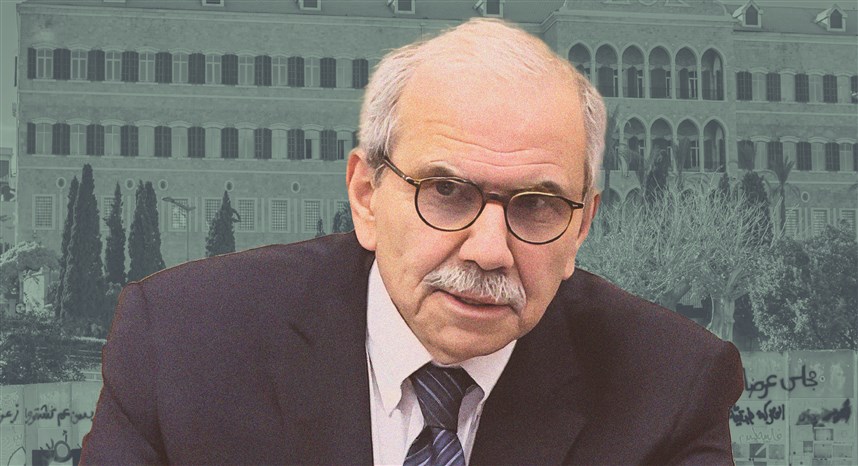
Lebanon’s newest government did not inherit a blank slate. It inherited a state that had already been hollowed out, then battered again. Since 2019 the financial collapse has eroded purchasing power, trapped savings, and left public services running on fumes. The 2024 war then added a second, unavoidable burden: reconstruction, homes, roads, schools, and the slow work of putting social life back together.
Nawaf Salam’s cabinet entered office with what, in Lebanon, counted as an opening. It was the first fully mandated government after years of caretaker drift, and it formed amid a changed power map. Hezbollah was weakened enough to lose its old, system-wide veto. International actors were more demanding but also more narrowly focused on security and financial compliance. Lebanon’s financial elites were less able to obstruct everything, yet still well-connected and most resistant to reforms that threaten wealth and liability. That backdrop matters because it makes the first year’s record look less like a set of contradictions and more like a pattern: selective reform.
The government’s ministerial statement offered an early indication of how it would navigate this terrain. Nearly half of the document was devoted to security and geopolitics, reflecting the post-war context and the priorities of external actors. By contrast, economic recovery, social protection, and reconstruction were framed in broad commitments rather than a sequenced program. Most notably, the statement avoided Lebanon’s central distributive question: who should bear the losses of the financial collapse. The result was a text designed to preserve political space and manage expectations, rather than one that locked the government into a clear recovery path.1
One year on, the government has clearly reactivated the executive and increased output, but its production has been concentrated on routine administration and a narrow set of reform files, rather than on building a broad recovery framework. The government moved where external expectations were clearest and domestic resistance was manageable, and it moved more slowly where recovery would force redistribution, accountability, and institutional rebuilding.
To assess what this government has actually done, this analysis examines the laws and decrees it adopted, the balance between routine administration and rule-changing action, and the topics that repeatedly returned to the cabinet agenda during its first 200 days.
Laws, Draft Laws, and Decrees, in Plain Terms
Most people experience “government” as announcements. In Lebanon, government is better captured by three documents.
Draft laws are proposals adopted in cabinet and sent to Parliament. They are a useful signal because they show what a cabinet is willing to fight for publicly and what it thinks can survive legislative bargaining. They also show where the government is trying to change the rules, not just administer the status quo.
Laws are those drafts once Parliament passes them. They are the most durable form of reform because they change the legal framework of the state.
Decrees are the executive’s published decisions. They translate government into day-to-day action. They appoint officials, authorize transfers, issue licenses, accept donor contributions, and operationalize laws. Decrees come in two broad types:
- Administrative decrees are routine operating instructions. They keep the state running.
- Regulatory decrees are closer to rulemaking. They set binding procedures and conditions that shape how policy works on the ground.
Every state produces far more administrative decisions than regulatory ones. That is normal. What matters is how much rule-changing capacity the government uses, what it uses it for, and what its routine activity tells you about priorities.
What the First 200 Days Show: Higher activity, heavy on maintenance
In its first 200 days, and compared with Najib Mikati’s non-caretaker cabinet as a benchmark, Salam’s government issued far more binding texts, signaling that executive activity really did return (1,028 vs 482). The substantive question is what this greater production was used for. About 94% of decrees were administrative, compared with 83% under Mikati. This is not to say reform was absent. But while government activity increased—especially in day-to-day management—the surge did not translate into a comparable expansion in rule-changing or regulatory action.
The content of routine work is revealing. Administrative decrees clustered around five familiar functions: issuing licenses, authorizing financial transfers, approving contributions, making appointments, and granting citizenship decisions. In a fragile administration, much of this is unavoidable. But routine still has a political signature because its composition shifts.
Licensing is a good example. Early on, licenses were only about 2.5% of administrative decrees. By late October, they rose to 18%. Of these licenses, 73% were issued to arms trade and hunting-related businesses, followed by 18% to schools and universities, among others. The rebound is not proof of scandal, but it may signal how quickly clientelist administrative networks tend to reassert themselves once an initial period of restraint fades.
Financial transfers tell a similar story. Reserve transfers were less prominent than under Mikati and more focused on core state bodies. Yet their weight grew, and they largely financed recurring costs such as benefits, maintenance, and rents, rather than structural fixes. In a crisis state, that is often what transfers do. They keep institutions standing, not rebuild them. Transfers before comprised 7% of overall texts; now they’re 11% ($32 million vs $102 million now) 23% to the army, 18% to the council of the south, 17% to the Lebanese university, among others.
There was, however, a measurable upside: donor confidence. The government secured around $109 million in state contributions, compared with $2.3 million under Mikati, concentrated in core functions, especially the Lebanese Armed Forces (around $80 million), alongside water establishments, EDL, and Civil Defense. That is real political capital. It also shows the narrow set of priorities of external support. Donors are more willing to fund security and essential continuity than the expensive, politically sensitive work of building a reconstruction state.
What Cabinet Kept Returning To: Priorities by repetition
Decrees show how the state operates day to day. Cabinet session recurrences show what the government treats as priority, and draft laws show what it thinks can survive political conflict.
Looking at the announced cabinet session agendas in the first 200 days, macroeconomic governance dominated. The 2026 budget returned to the cabinet nine times before adoption. The bank resolution draft law was debated over four sessions. Security’s “monopoly of arms” file recurred three times, culminating in tasking the army with an implementation plan.
Just as telling were the files that did not stick. Public-sector restructuring surfaced without a follow-up package. Digitization appeared without an implementation roadmap. End-of-service compensation reforms were floated without persistence. Most notably, the legal framework of reconstruction, despite war damage and political emphasis, appeared one time as having been circulated rather than a recurring governing agenda. Emphasizing that the reconstruction did not structure the government’s early governing rhythm.
This is how selectivity shows up in practice. Some files return until they produce decisions. Others make an appearance and fade.
What the Government Actually Got Done in Reform Terms
The Salam government’s record is not only administrative. It did move and pass draft laws, especially in the financial track, and those are the most concrete reforms associated with its 200 days.2
Two measures stand out as framework changes:
- The amendment to the 1956 Banking Secrecy Law, broadening access to bank records for oversight and enforcement bodies.
- Law 23/2025 on bank reorganization, formalizing resolution tools.
These are meaningful. They change the legal infrastructure of transparency and banking restructuring. They also align closely with the post-war reform corridor: compliance, visibility, and rules that external partners recognize quickly.
The government also advanced a Gap draft law—significant because it shifts the debate from technical fixes to who bears the losses. It does not avoid allocation; it reallocates it, and the key question is on what terms. The draft reads less like a recovery framework and more like a politically workable settlement: it relies on public and quasi-public resources to plug a hole created by a private banking model and regulatory failure; caps liquid repayment at $100,000 over four years and converts the rest into long-dated instruments; under-recognizes losses already imposed through years of informal crisis management; treats social savings (including collective funds) as ordinary deposits; is weak on binding audits, clawbacks, and liability; and permits recapitalization timelines that could keep non-viable banks alive and delay the return of credit.3
In a sober reading, the Gap draft strengthens the selective reform interpretation: the distributive file moved in a form that minimizes rupture with veto players and shifts much of the burden outward.
The Budget: Procedural gains, structural continuity
The 2026 budget reinforces the same pattern. Procedurally, it improves on recent habits. It was submitted on time, presented as balanced, and reduced reserves sharply (a 38% cut, with reserves falling from 13% of expenditure in 2025 to about 5% in 2026). That improves legibility and limits discretionary reallocations. Those are real gains in fiscal governance.
Substantively, the architecture remains familiar. Revenue gains rely heavily on regressive channels (VAT +$439 million, wage taxation +$131 million, a 138% jump) without clearly identified policy changes that would plausibly generate such a surge in a highly informal economy. Regressive taxes still account for 86% of total tax revenues. Spending remains dominated by personnel costs (around 60%), with allowances doing much of the adjustment work. Capital spending rises to $630 million, yet without an explicit reconstruction line commensurate with post-war needs. The army budget rises from $808 million to $966 million, but almost all of the increase is wages and allowances, with capital spending rising by just $1 million.4
A Balanced Verdict
One year on, Nawaf Salam’s government can credibly claim real achievements: it restored executive rhythm after years of drift; it advanced meaningful financial governance frameworks; it secured greater donor confidence; and it improved some budgetary procedures. In Lebanon’s condition, those are not minor.
But the output record, especially the first 200 days, also shows the limits: a government whose dominant mode is routine administration, as in any state but more pronounced here; whose cabinet attention clusters around a narrow set of files (budget, banking, security); and whose most consequential distributive move, the Gap draft, risks codifying crisis-era cost shifting rather than correcting it through equity and accountability. Meanwhile, reconstruction governance and institutionalized social protection remain comparatively thin relative to need.
Selective reform is not the same as no reform. It is reform that fits the power map. The question for year two is whether the corridor can widen: turning administrative activation into a reconstruction framework, moving social protection from signals to institutions, and shaping the loss settlement in a way that protects society first, without collapsing the political balance that makes any governing possible.
Prepared by The Policy Initiative in collaboration with Heinrich Böll Stiftung (HBS). The article reflects the authors’ views and not necessarily those of HBS.
1. Atallah, S., and S. Zoughaib. 2025. “Lebanon’s Ministerial Statement: A lost opportunity wrapped in political ambiguity.” The Policy Initiative, February 24, 2025, https://www.thepolicyinitiative.org/article/details/433/lebanon%E2%80%99s-ministerial-statement-a-lost-opportunity-wrapped-in-political-ambiguity?lang=en&src=init
2. Note that the Gap Law which was approved by the Cabinet is beyond the 200 days period.
3. The Policy Initiative. 2025. “The Gap Law: A Settlement for Banks Paid by Society.” The Policy Initiative, https://www.thepolicyinitiative.org/article/details/500/the-gap-law-a-settlement-for-banks-paid-by-society
4. Saad, K., S. Zoughaib, and S. Atallah. 2025. “Budget 2026 Between Constraints and Opportunities: How small corrections can make a real difference.” The Policy Initiative, December 3, 2025, https://www.thepolicyinitiative.org/article/details/492/budget-2026-between-constraints-and-opportunities-how-small-corrections-can-make-a-real-difference
From the same author
view all-
06.10.26
السلطة المنفصمة: لبنان لا يتعرّض للعدوان
سامي عطاالله, سامي زغيب, ليا غندورلم تباغت الحرب أحداً. مع ذلك، كان تعامل السلطة مع تداعياتها منفصماً عن الواقع. فلا إعلان لحالة طوارئ، ولا خلية أزمة، ولا مراسيم أو قوانين استثنائية تواكب معاناة الناس في الشوارع والطرقات.
اقرأ -
02.05.25eng
أزمة لبنان بنيوية، لا وزارية
سامي زغيب, سامي عطاالله -
09.21.23
مشروع موازنة 2023: ضرائب تصيب الفقراء وتعفي الاثرياء
وسيم مكتبي, جورجيا داغر, سامي زغيب, سامي عطاالله -
10.12.22eng
فساد في موازنة لبنان
سامي عطاالله, سامي زغيب -
10.15.24eng
لا عدالة مناخية في خضمّ الحروب
منى خشن, سامي عطاالله -
06.14.24
عطاالله: التدّخل السياسي عقبة أمام تطوّر الإدارة العامة
سامي عطااللهمقابلة مع مدير مبادرة سياسات الغد الدكتور سامي عطاالله أكد أن "التدخل السياسي هو العقبة الرئيسية أمام تطور الإدارة العامة"، وشدد على أن دور الدولة ووجودها ضروريان جدًا لأن لا وجود للاقتصاد الحر أو اقتصاد السوق من دونها"
اقرأ
More periodicals
view all-
06.30.26
Coral Tanks Refresh the Memory of the Port Explosion: "Everyone knows" and everyone learned nothing
أماني البعينياليوم وعند حدود العاصمة بيروت، شارفت شركة كورال، على إنهاء تنفيذ أعمالها التوسّعية الرامية لإضافة 20 خزّانا جديدًا مخصّصا للمشتقات النفطيّة السائلة والمسيلة، في منطقة برج حمّود المكتظّة بالسكان والمؤسّسات التجارية والصناعية. وكان الإعلان عن بدء المشروع قد أثار موجةً من الاعتراضات الشعبيّة والرسميّة في المنطقة، على خلفيّة المخاوف من حصول انفجار مُشابه لانفجار مرفأ بيروت، الذي ما زال حيّا في ذاكرة السّكان هنالك. وانطلاقًا من خطورة هذا المشروع على أمن العاصمة وما يعكسُه من تخلّ عن المسؤوليّة وتمادٍ في تسفيه الخطر العامّ، أجرت المفكّرة هذا التحقيق الأوليّ الذي أردنا منه توثيق مسار الترخيص للمشروع والحجج القانونية التي تذرعت بها الإدارات المعنية لتمريره أو التنصّل من أيّ مسؤوليّة عنه والتّدقيق في مدى صحّتها. وقد أجرينا لهذه الغاية سلسلةً من المُقابلات مع جهاتٍ ومصادر إداريّة وقضائية، ومع أبرز الخبراء المعنيين والحقوقيين الناشطين والمطلعين على القضية.
اقرأ -
06.16.26
هكذا تعاملت السّلطة مع تعدّيات شاطئ البترون المستمرّة
أماني البعينييفتتح اليوم السيّـد رمزي يزبك منتجعه السياحيّ Oursin Batroun. ويعكس هذا الافتتاح بالحقيقة انتكاسةً في حراك النّـاشطين البيئيّـين، وسقوطاً جديداً للدّولة في امتحان استرداد الأملاك البحريّـة المنهوبة. ولئن بدأت التّـعدّيات، في هذا الموقع من شاطئ البترون أثناء الحرب الأهليّـة 1975-1990، ما كان لهذا المشروع أن يكتمل رغم الشّـكاوى، لولا الحرب الإسرائيليّـة الأخيرة وما نجم عنها من انشغالٍ للرّأي العامّ وإضعافٍ للإدارة.
اقرأ -
06.10.26
السلطة المنفصمة: لبنان لا يتعرّض للعدوان
سامي عطاالله, سامي زغيب, ليا غندورلم تباغت الحرب أحداً. مع ذلك، كان تعامل السلطة مع تداعياتها منفصماً عن الواقع. فلا إعلان لحالة طوارئ، ولا خلية أزمة، ولا مراسيم أو قوانين استثنائية تواكب معاناة الناس في الشوارع والطرقات.
اقرأ -
05.06.26
2024–2026: Israeli Bombardment of Tyre: Where and What?
تالا علاء الدين, جنى نخال, ريان علاء الديننستقي هذا النَّصَّ من بحث أوسع عملنا عليه عن المدينة منذ 2023، وثَّقنا خلاله نسق القَصْف على أحيائها، وأضفنا رصداً للقَصْف الإسرائيلي خلال حرب 2026، في محاولة لقراءة توزُّع هذا القَصْف جغرافياً وتأثيراته على المدينة وأهلها. من هنا، يمثِّل إدراكنا لحجم هذه الخسائر وتوثيق أبعادها المختلفة نقطة انطلاق أساسية نحو أرشفة جرائم الاحتلال من جهة، ورسم مسار لتعافي المدينة بعد الحرب من جهة أخرى.
اقرأ -
03.26.26
بيان مشترك: كيف نحمي لبنان؟
تراكمت وتشابكت أزمات الداخل والخارج، بما يضعف مؤسسات الدولة اللبنانية ويهدّد الوحدة الوطنية بشكل كبير. وأمام هذا التحدّي المريع، تداعينا كمنظمات حريصة على وحدة الوطن بما يمثله بحكم تاريخه وتكوينه، لإصدار هذا البيان الذي يعكس تطلعاتنا من الدولة ويدق ناقوس الخطر إزاء الانزلاق إلى الهاوية.
اقرأ -
02.24.26
الحرب المستمرّة: إنذارات إسرائيلية لـ 13 قرية منذ بداية العام ومئات الوحدات المتضرّرة
إيناس شرّيمنذ مطلع العام، وجّهت إسرائيل إنذارات لمبانٍ في 13 قرية في جنوب لبنان والبقاع، أعقبتها غارات ألحقت أضرارًا بمئات الوحدات السكنية والتجارية، وتسبّببت بخسارة عشرات العائلات منازلها، في ظل استجابة رسمية محدودة. أعنف الاستهدافات كانت في 21 كانون الثاني 2026، حين وجّه العدو الإسرائيلي إنذارات إلى كلّ من قنّاريت والكفور وجرجوع والخرايب وأنصار. في أنصار مثلًا، طالت الأضرار 100 وحدة سكنيّة بشكل جزئي، ودمّر منزلان بشكل كامل فضلًا عن تضرّر 90 محلًا ومؤسسة تجاريّة بشكل جزئي أو متوسط. في الكفور، أدّت الغارات إلى تضرّر 110 وحدة سكنيّة بشكل جزئي و9 وحدات بشكل كبير باتت معه غير قابلة للسكن و4 وحدات دمّرت كليًّا.
اقرأ -
02.23.26
زيادة بِيَد وضريبة باليَد الأخرى: الهندسة الطبقيّة لتمويل الأجور وشَرْعَنَة الجباية من لقمة العيش
خالد سعدما يجري اليوم لا يبدو إنصافًا بقدر ما يبدو مقايضةً قاسية: تُمنَح الزيادة على الورق، ثمّ تُستعاد عمليًّا عبر ضرائب تطال كلّ ما يشتريه الناس. وهكذا يُوضَع الموظَّف العامّ في مواجهة الفئات الأخرى المتضرّرة من الزيادات الضريبيّة، على الرغم من أنّه يخضع للعبء نفسه.” اقرأوا مقالنا الجديد عن سياسة الحكومة الضريبية لزيادة أجور القطاع العام. من كتابة الباحث في مبادرة سياسات الغد، خالد سعد.
اقرأ -
02.18.26
تهديد مستشفى صلاح غندور: كيف تحاول إسرائيل نزع الحماية عن المرافق الصحّية في الجنوب؟
حسين شعبانيُظهر هذا التحقيق أنّ المسألة لم تعد تتعلّق بقدرة مستشفى على الصمود، بل بحدود المقبول قانونيًا وسياسيًا. فإذا سُمح بأن ينزع الغطاء المدني عن مرفق صحي بالاتهام وحده، يصبح أي مستشفى قابلًا للتجريد من حمايته بالكلام. وبهذا، تثبّت إسرائيل أنّ العمل الطبي في الجنوب اللبناني تحت التهديد بات قاعدة، لا استثناء. تم تحرير هذا المقال في إطار مشروع "مرصد إعادة الإعمار" الذي تنفّذه المفكّرة القانونية بالتعاون مع مبادرة سياسات الغد، استديو أشغال عامة، ومختبر المدن – بيروت.
اقرأ -
12.19.25
المقالع تقضم الجبال: صناعة نظام اللاقانون
نزار صاغية, رين إبراهيمتضخّـم قطاع المقالع بعد عام 1990 بشكلٍ عشوائيّ، وتحوّل في معظمه إلى احتكارات تابعة لقوى نافذة تعمل خارج القانون. توثّـق هذه الورقة كيف تَشكّـل نظام اللاقانون في هذا القطاع، وما خلّفه من أضرار بيئيّة وماليّة واجتماعيّة، والدور الذي لعبته المواجهة القانونيّة–القضائيّة في إحداث أثر فعليّ على الأرض. ورقة بحثيّة من كتابة نزار صاغية ورين إبراهيم، ضمن مشروع “المناخ والأرض والحقّ” بالتعاون مع مبادرة سياسات الغد.
اقرأ -
11.21.25
وصفة لتبييض المسؤوليات في مجال الصرف الصحّي: الخلل في الصرف الصحي نظاميّ أيضًا
نزار صاغية, فادي إبراهيمتقدّم هذه الورقة خلاصةً دقيقة لتقرير ديوان المحاسبة الصادر في 27 شباط 2025 بشأن إدارة منظومة الصرف الصحّيّ في لبنان، مبيّنةً ما يعتريه من عموميّة وقصور، وما يكشفه ذلك من خللٍ بنيويّ في منظومة الرقابة والمحاسبة ومن الأسباب العميقة لتعثر محطّات معالجة الصرف الصحّي.
اقرأ -
04.24.25
اقتراح قانون إنشاء مناطق اقتصادية تكنولوجية: تكنولوجيا للبيع في جزر نيوليبرالية
المفكرة القانونية, مبادرة سياسات الغدتهدف هذه المسوّدة إلى تحقيق النمو الاقتصادي وخلق فرص عمل، غير أنّ تصميمها يصبّ في مصلحة قلّة من المستثمرين العاملين ضمن جيوب مغلقة، يستفيدون من إعفاءات ضريبية وكلفة أجور ومنافع أدنى للعاملين. وبالنتيجة، تُنشئ هذه الصيغة مساراً ريعيّاً فاسداً يُلحق ضرراً بإيرادات الدولة وبحقوق الموظفين وبالتخطيط الإقليمي (تجزئة المناطق). والأسوأ أنّ واضعي السياسات لا يُبدون أيّ اهتمام بتقييم أداء هذه الشركات أو مراقبته للتحقّق من تحقيق الغاية المرجوّة من المنطقة الاقتصاديّة.
اقرأ -
02.05.25eng
أزمة لبنان بنيوية، لا وزارية
سامي زغيب, سامي عطاالله -
10.15.24eng
لا عدالة مناخية في خضمّ الحروب
منى خشن, سامي عطاالله -
06.14.24
عطاالله: التدّخل السياسي عقبة أمام تطوّر الإدارة العامة
سامي عطااللهمقابلة مع مدير مبادرة سياسات الغد الدكتور سامي عطاالله أكد أن "التدخل السياسي هو العقبة الرئيسية أمام تطور الإدارة العامة"، وشدد على أن دور الدولة ووجودها ضروريان جدًا لأن لا وجود للاقتصاد الحر أو اقتصاد السوق من دونها"
اقرأ -
10.27.23eng
تضامناً مع العدالة وحق تقرير المصير للشعب الفلسطيني
-
09.21.23
مشروع موازنة 2023: ضرائب تصيب الفقراء وتعفي الاثرياء
وسيم مكتبي, جورجيا داغر, سامي زغيب, سامي عطاالله -
09.09.23
بيان بشأن المادة 26 من مشروع قانون الموازنة العامة :2023
المادة ٢٦ من مشروع موازنات عام ٢٠١٣ التي اقرها مجلس الوزراء تشكل إعفاء لأصحاب الثروات الموجودة في الخارج من الضريبة النتيجة عن الأرباح والايرادات المتأتية منها تجاه الدولة اللبنانية. بينما يستمرون في الإقامة بشكل رسمي في لبنان ويتجنبون تكليفهم بالضرائب بالخارج بسبب هذه الإقامة. كما تضمنت المادة نفسها عفواً عاماً لهؤلاء من التهرب الضريبي. وكان مجلس الوزراء قد عمد إلى تعديل المادة 26 من المشروع ال مذكور، فيما كانت وزارة المالية تشددت على العكس من ذلك تماماً في تذكير بالمترتبات والنتائج القانونية والمالية الخطرة لأي تقاعس أو إخلال في تنفيذ الموجبات الضريبية ومنها الملاحقات الجزائية والحجز عىل الممتلكات و الاموال. واللافت أن هذا الإعفاء الذي يشمل ضرائب طائلة يأتي في الفترة التي الدولة هي بأمس الحاجة فيها إلى تأمين موارد تمكنها من إعادة سير مرافقها العامة ومواجهة الأزمة المالية والإقتصادية.
اقرأ -
08.24.23
من أجل تحقيق موحد ومركزي في ملف التدقيق الجنائي
في بيان مشترك مع المفكرة القانونية، مبادرة سياسات الغد، كلنا إرادة، وALDIC، نسلط الضوء على التقرير التمهيدي الذي أصدره Alvarez & Marsal حول ممارسات مصرف لبنان وأهميته كخطوة حاسمة نحو تعزيز الشفافية. ويكشف هذا التقرير عن غياب الحوكمة الرشيدة، وقضايا محاسبية، وخسائر كبيرة. إن المطلوب اليوم هو الضغط من أجل إجراء تدقيق جاد وموحد ومركزي ونشر التقرير رسمياً وبشكل كامل.
اقرأ -
07.27.23
المشكلة وقعت في التعثّر غير المنظّم تعليق دفع سندات اليوروبوندز كان صائباً 100%
-
05.17.23
حشيشة" ماكينزي للنهوض باقتصاد لبنان
-
01.12.23
وينن؟ أين اختفت شعارات المصارف؟
-
10.12.22eng
فساد في موازنة لبنان
سامي عطاالله, سامي زغيب -
06.08.22eng
تطويق الأراضي في أعقاب أزمات لبنان المتعددة
منى خشن -
05.11.22eng
هل للانتخابات في لبنان أهمية؟
كريستيانا باريرا -
05.06.22eng
الانتخابات النيابية: المنافسة تحجب المصالح المشتركة